


Exhibition: Claudia Corrent – All’ombra simile o a un sogno
Opening: 3.02.2026, 7 p.m.Exhibition: 4.02.2026 – 7.03.2026Curated by Sabine GamperExhibition design by Anni Seligmann
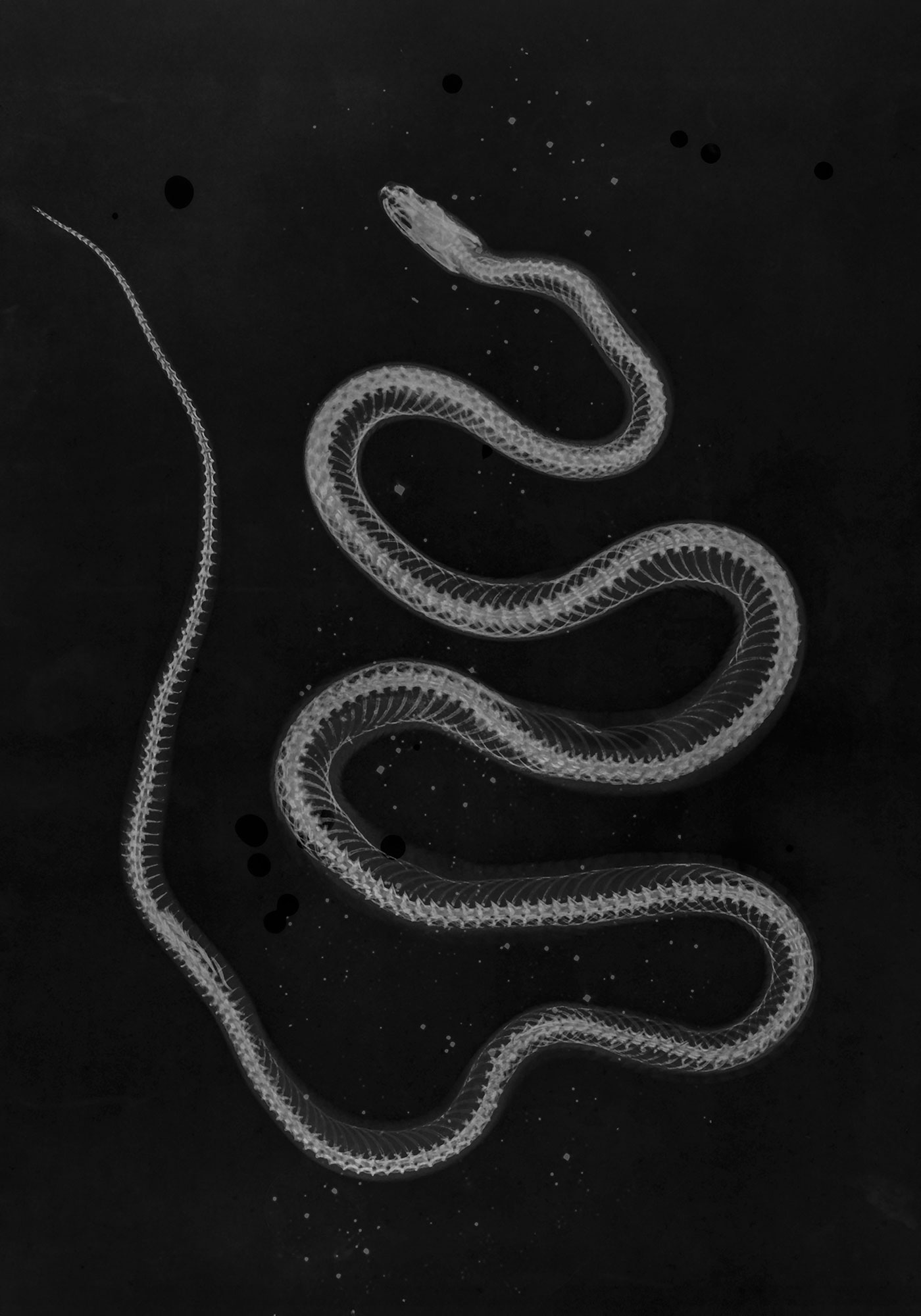
Claudia Corrent – All’ombra simile o a un sogno, Exhibition by Foto Forum, Bolzano/Bozen (Italy), 2026
In Focus, Out of Light
•
The alternation of day and night, the opening and closing of eyelids. The surfacing of details otherwise invisible, the search for shade in order to enjoy a bit of coolness while hiding from the sun. The tireless dynamism of living beings. One may consider it from whichever point of view one prefers, but that electromagnetic wave racing swiftly through the void continually makes manifest its indispensable role in alternations, variations, movements. Light is rhythm. We can recognize it in the dynamics of nature and detect it through certain devices, photography in particular. A pattern well known to the photographer Claudia Corrent, who with the project All’ombra simile o a un sogno has taken on the challenge of making that rhythm visible, drawing inspiration from a passage in the Odyssey in which Ulysses, having descended into Hades, encounters the shade of his mother and tries three times to embrace her, without success, since she is now ethereal.
What interests Corrent is both the irregularity of that presence and its immediate reference to the dreamlike dimension—typically intangible yet intense, though not necessarily clear; indeed, one often recalls dreams as distant, blurred fragments, if not as a complete absence of any detail. So how should one position oneself with respect to that rhythm? Corrent does not provide an answer, but instead allows a decisive condition that distinguishes her photographs to emerge: the more inclined we are to say that what we see are shadows, the more we must admit that we are nonetheless seeing something. And here lies the point Corrent invites us to consider: this happens because we cannot speak only of darkness, but equally of light.
••
There is something specific that, by its very nature, a photograph makes visible: the circumscribed space within which the trace of a certain relationship with light is made manifest. Nothing so elementary. If we pay due attention, we will recognize that the very possibility of appreciating or criticizing what is shown necessarily rests on that relationship, since light is indispensable both for showing and for seeing what a photograph depicts or represents. Light lies at its origin and will again be crucial in the various ways of exercising our gaze. Beyond this dual role, light also plays another one, deeply connected to the ontological instability that characterizes images. This instability derives from a condition we know well: images are of something, but also for a gaze. In other words, when we ask ourselves what images are, we are forced to confront their recurring oscillation between what we may call two “dimensions”: an objective one (the image is in the world) and a subjective one (the image is in the mind). It is precisely in this third domain—where light becomes the critical point of the ordinary instability of the photographic image—that the issue Corrent has been addressing for some time comes into view: that of its essence.
That the relationship with light is of a certain type means that it is decisive for differentiating the degrees of visibility of what a photograph shows. A group of people seated, perhaps portrayed indoors; a house in a forest; a snake; a chick just hatched from its egg; a butterfly; the extreme close-up detail of an eye. “What are we seeing?” This, then, is not the right question: it would be more appropriate to ask instead, “How are we seeing it?” We might answer by recognizing that each photograph shows us those subjects in such a way as to make us continually discover light as rhythm: in the intermittences of presences, in the intervals between the tangible and the intangible. Of course, one might object that there is no chick, no house, no butterfly in front of us. Correct. But there is their image—that is, the result of the work Corrent has carried out to make it visible while at the same time constraining its visibility.
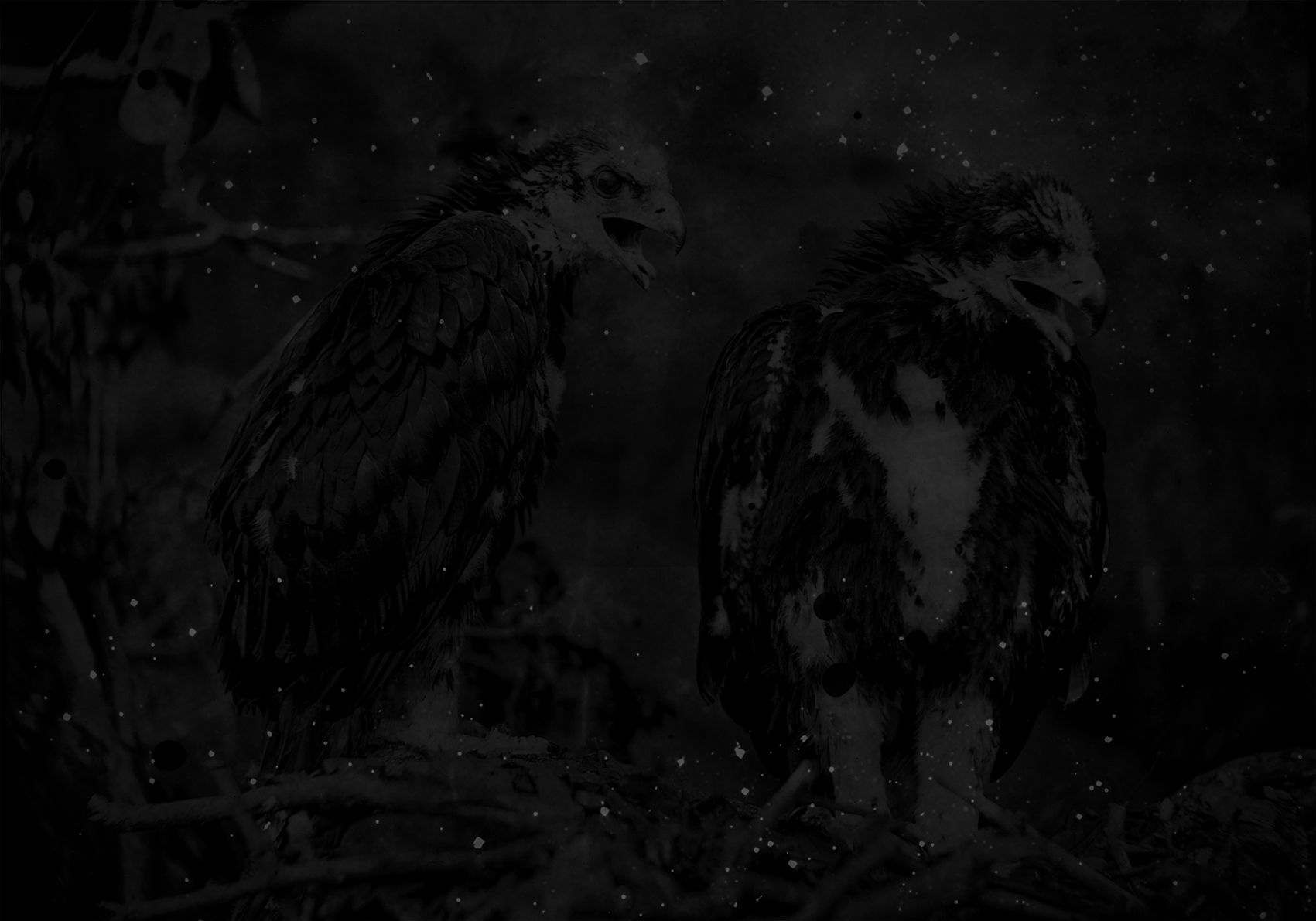
Claudia Corrent – All’ombra simile o a un sogno, Exhibition by Foto Forum, Bolzano/Bozen (Italy), 2026
•••
These images of hers are in focus but, we might say, “out of light.” This is how Corrent succeeds in rendering light as rhythm. But note: this is not a mere technical solution. A significant investment of light determines that an image is overexposed, while a minimal or nonexistent one makes it underexposed. Rather than reducing this to the result of a technical device, Corrent succeeds in converting that gap—between what exists within the perimeter of the photograph and the light we are ready to say is not there—into the indispensable condition of possibility for her works.
What does this mean? Let us consider three of her photographs: those depicting two women on a swing, an open window, and a tooth held between two fingers. The relationship between these images is not incidental, since each demonstrates that the degree of visibility changes in close relation to the possibility of working on the balance between focus (offering something visible within the photographic frame) and the differentiation of recognizability through areas left out of the light. Indeed, the window is visible on the basis of the contrast between the light of the sky and the darkness of the room; it is more difficult to distinguish the two women, who blend into the clearing, aided also by the vertical framing of the image; we can barely recognize the tooth and the two fingers. For Corrent, managing to enact the “out of light” means modulating the presence of light in order to shape the rendering of the image. We need light (external to the photograph) in order to recognize, for instance, that car going up in flames in another of her photographs. As light becomes manifest (internal to the photograph), we detect rhythm, and this also happens as we move from one image to another (the series and the different ways of displaying them are certainly helpful). But if, on the one hand, light determines that something can always elude us, on the other it ensures that the gaze is captured so as to discover something in an image even though Corrent shows it at the limit of visibility.
We may insist on saying that we are not seeing; in doing so, what appears instead is the exposure of light as rhythm.
Davide Dal Sasso
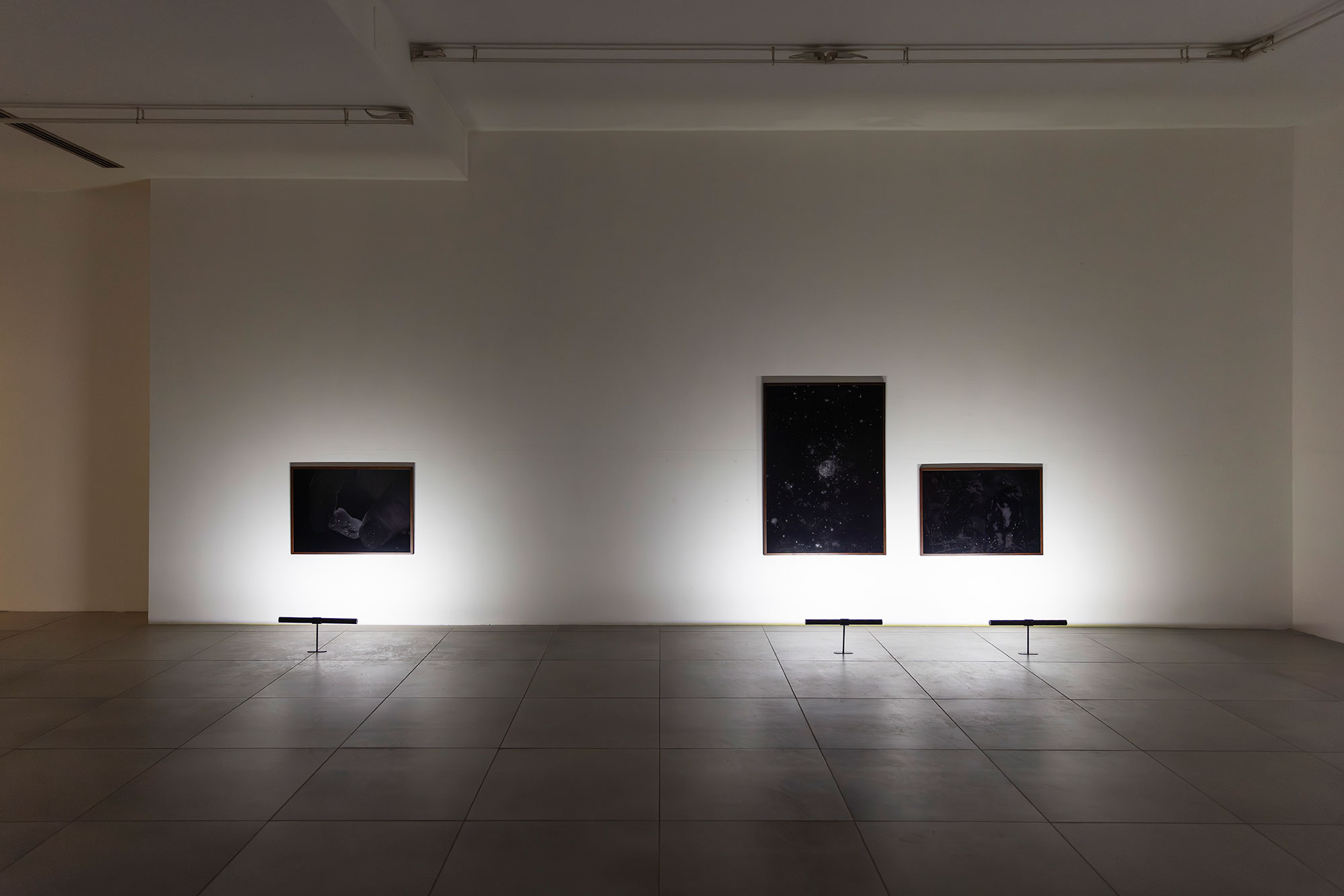
Claudia Corrent – All’ombra simile o a un sogno, Exhibition by Foto Forum, Bolzano/Bozen (Italy), 2026, Photo: Samira Mosca
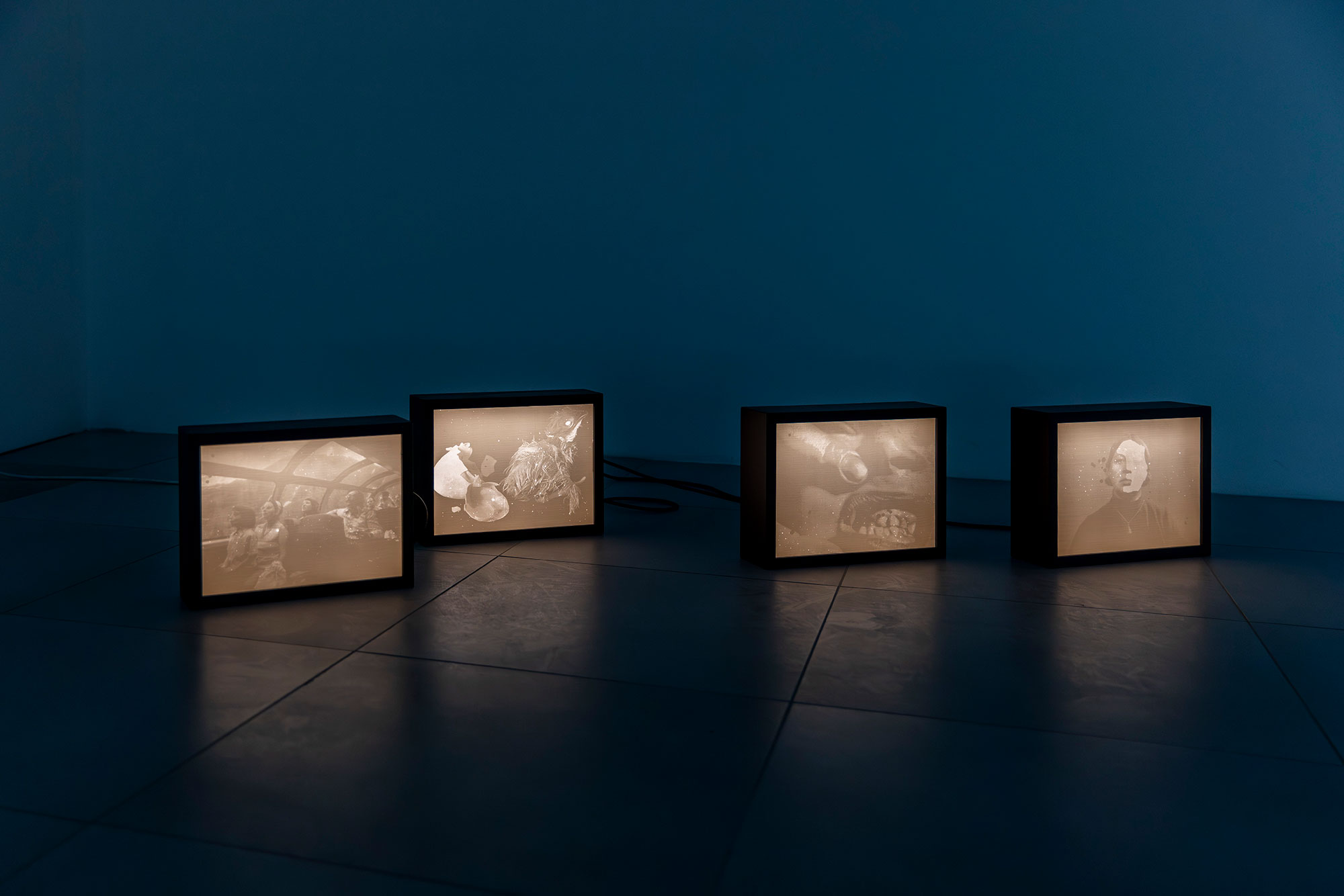
Claudia Corrent – All’ombra simile o a un sogno, Exhibition by Foto Forum, Bolzano/Bozen (Italy), 2026, Photo: Samira Mosca
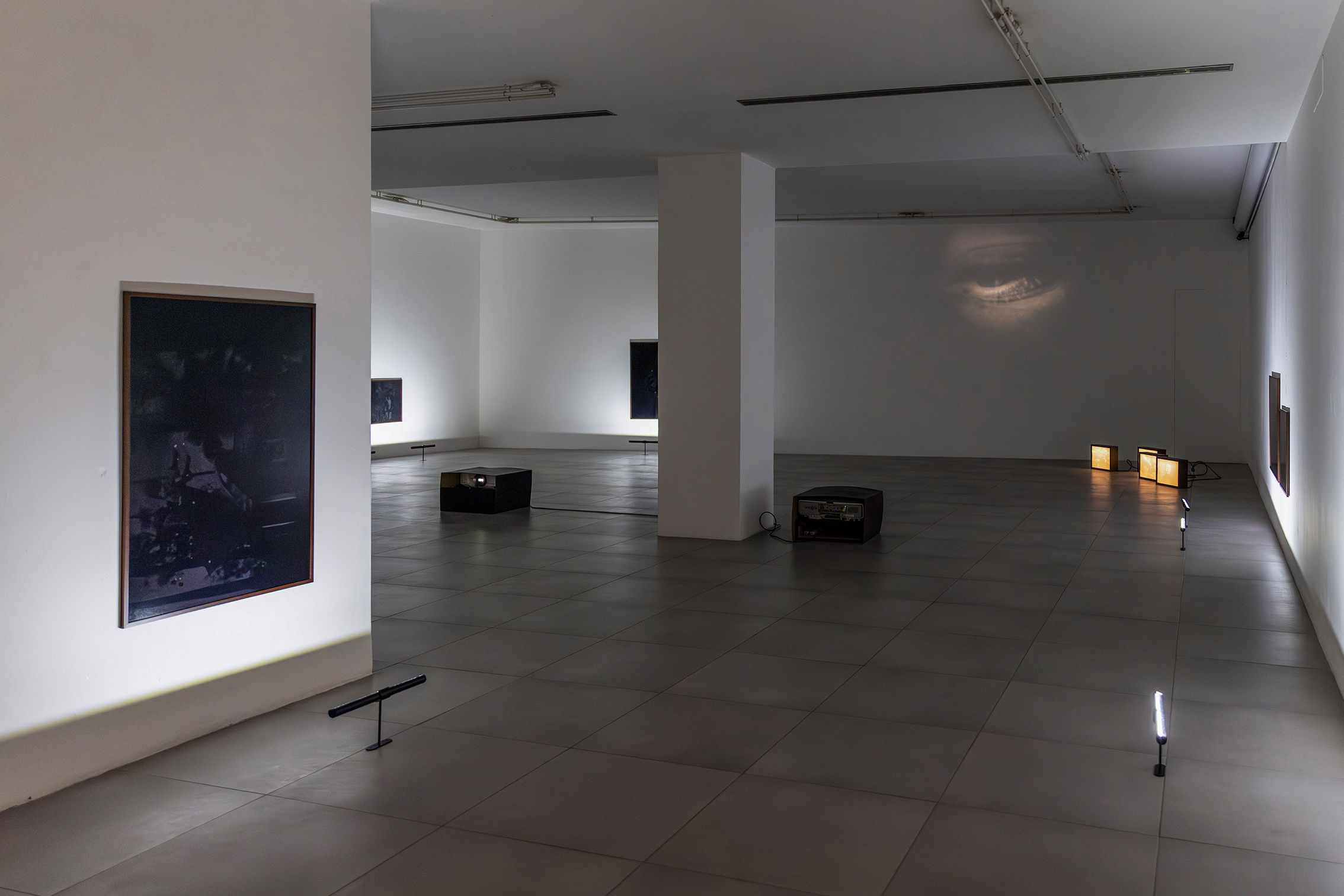
Claudia Corrent – All’ombra simile o a un sogno, Exhibition by Foto Forum, Bolzano/Bozen (Italy), 2026, Photo: Samira Mosca
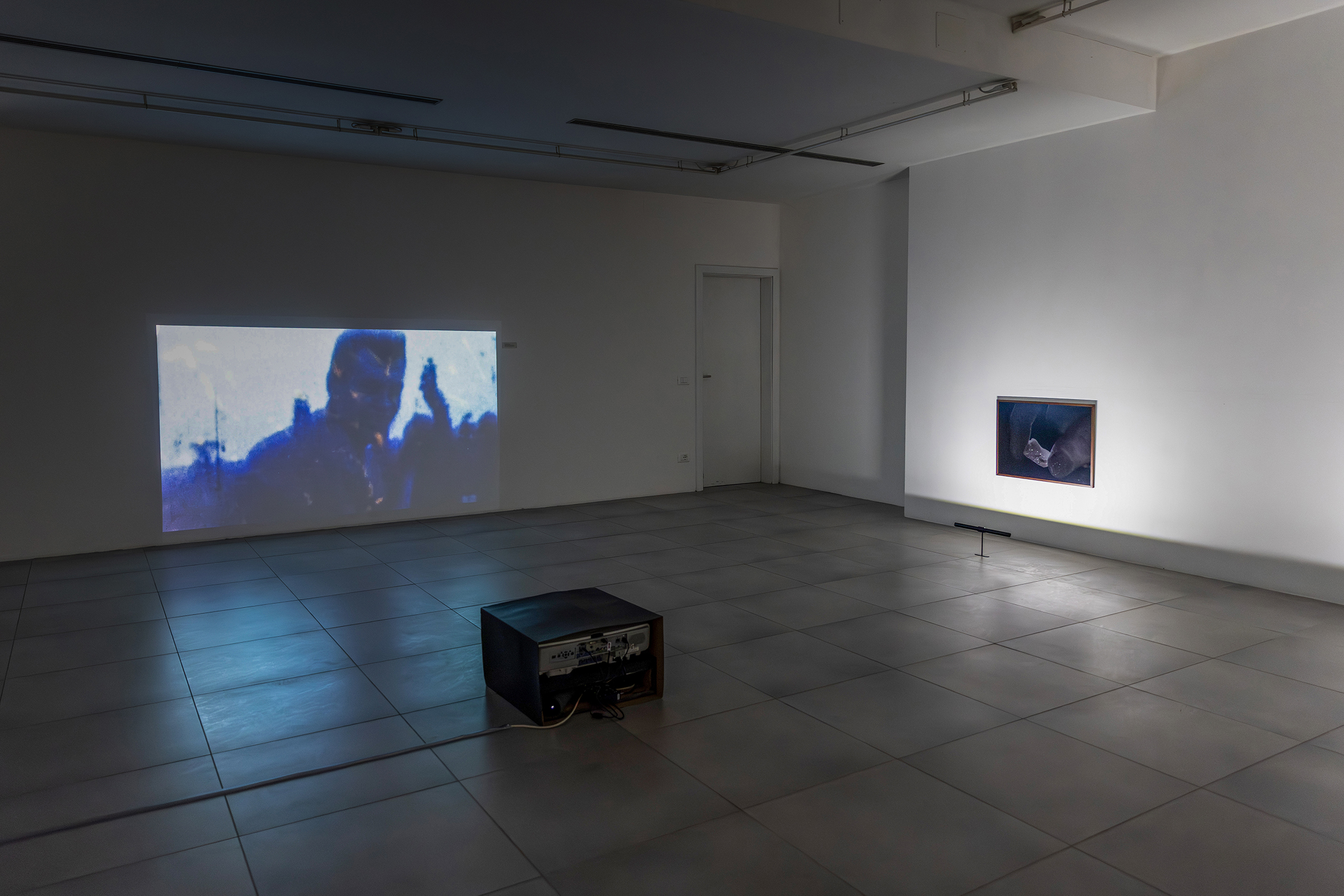
Claudia Corrent – All’ombra simile o a un sogno, Exhibition by Foto Forum, Bolzano/Bozen (Italy), 2026, Photo: Samira Mosca
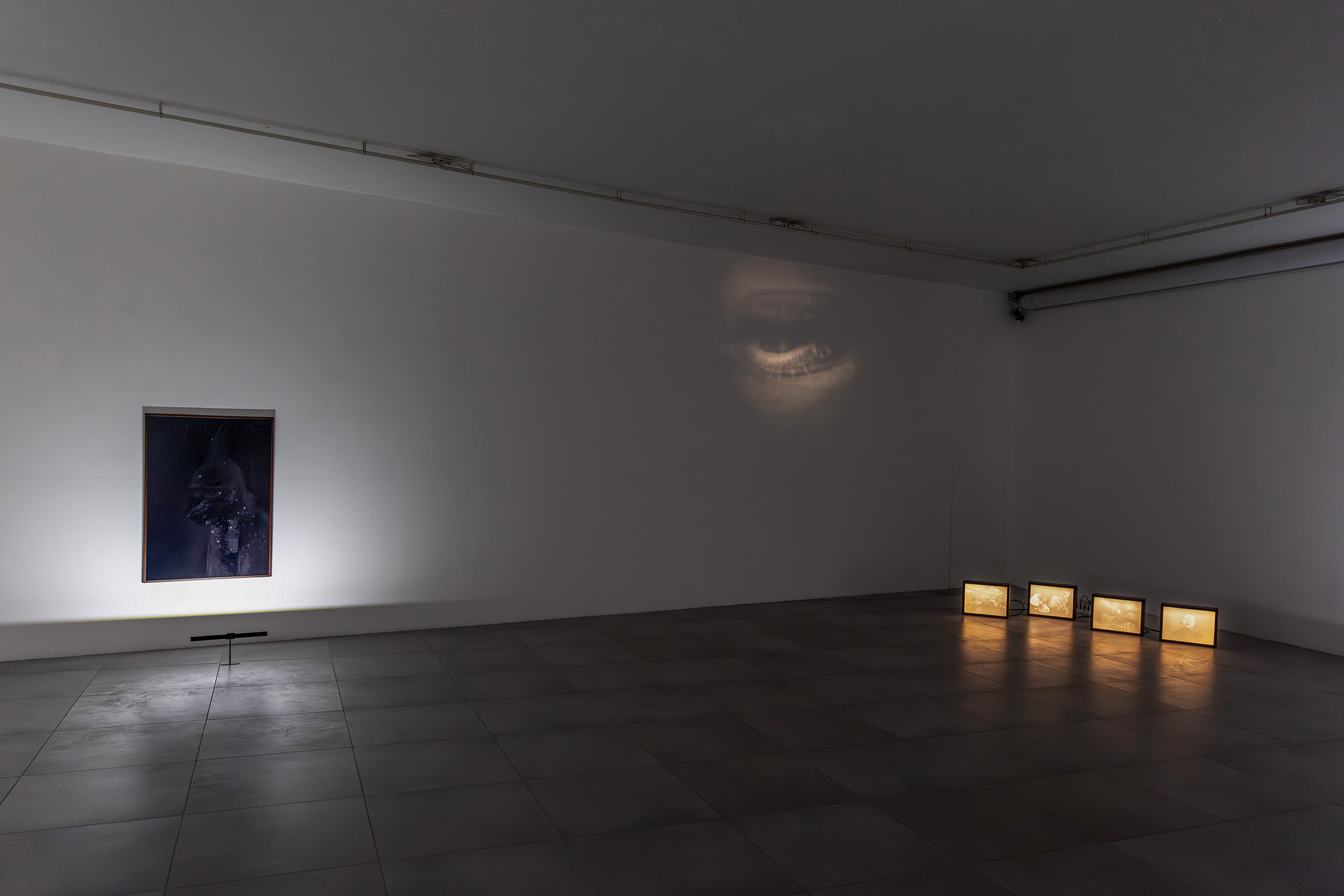
Claudia Corrent – All’ombra simile o a un sogno, Exhibition by Foto Forum, Bolzano/Bozen (Italy), 2026, Photo: Samira Mosca
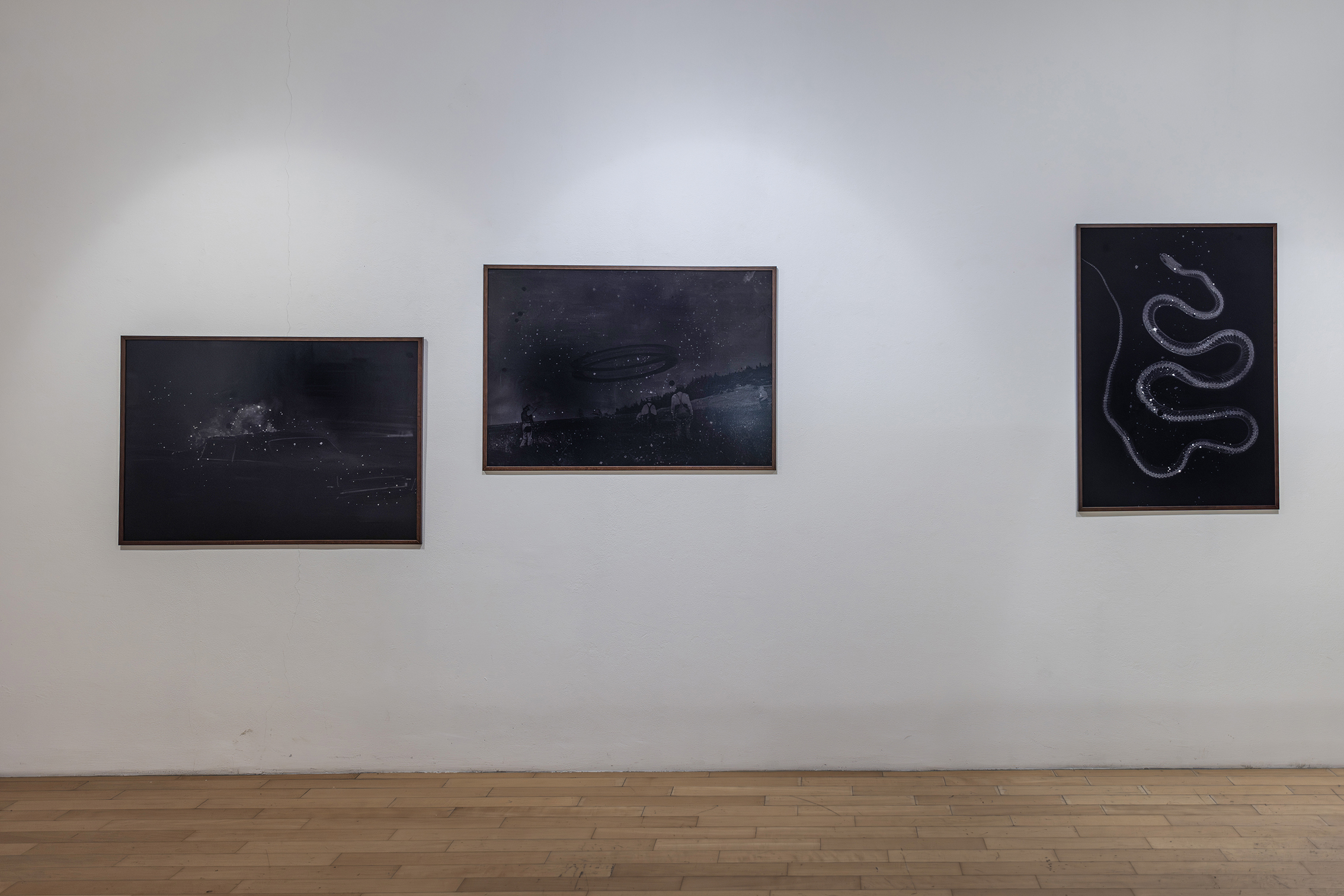
Claudia Corrent – All’ombra simile o a un sogno, Exhibition by Foto Forum, Bolzano/Bozen (Italy), 2026, Photo: Samira Mosca
Davide Dal Sasso
